
Coin Collection
The National Tokens project has gradually expanded into the largest international souvenir coin collection on this planet. Our collection already covers more than 1000 coins in more than 40 countries.
And the saga continues… We continue conquering new countries and launch new souvenir coins on a regular basis!
Check our homepage to get a sneak preview of our newest coins !
Or use the search boxes to stroll through the collection. The coins can be filtered by country and/or by city. Discover all the details of any single National Tokens coin that has ever been made.
All Coins
brass
AACHEN – Aachener DomThe Aachen Cathedral, frequently referred to as the 'Imperial Cathedral' of Aachen, is the oldest cathedral in northern Europe. Charlemagne began the construction of the Palatine Chapel in 786. When he died in 814, he was buried in his own cat [...]
brass
AACHEN – Siegel Karl der GroßenCharlemagne. For centuries his name has been legend. Carolus Magnus ('Charles the Great'), King of the Franks, Holy Roman Emperor, the subject of numerous epics and romances – he was even made a saint. As a figure of history he is larger than [...]

Nordic Gold
AALBORG – Aalborg Zoo – KuduAalborg Zoo is open 363 days a year - and no two days are alike. With far more than 100 different exotic animal species, educational experiences can be found all year round. The great kudu is one of the world's largest antelopes, and adult bul [...]

Alpaca 12
AALBORG – Aalborg Zoo – OryxAt Aalborg Zoo, you can meet 11 out of the 12 most popular zoo animals and this is the only place in Denmark where you can experience the African elephant, the orangutan from Borneo and the Asian lion. Aalborg Zoo is open 363 days a year - and [...]

Alpaca 12
AALBORG – Aalborg Zoo – Polar BearAalborg Zoo participates in many international breeding programmes in order to preserve endangered animals. Aalborg Zoo got an environment certificate and the first zoological garden, and the overall purpose of the zoo is to preserve nature. A [...]

Nordic Gold
AALBORG – Aalborg Zoo – TigerWhen visiting Aalborg ZOO, one of the main attractions is the installation, where wild, huge tigers live. There has been a great emphasis on creating an installation with surroundings, which are similar to the predators’ usual environment. The [...]
Alpaca 12
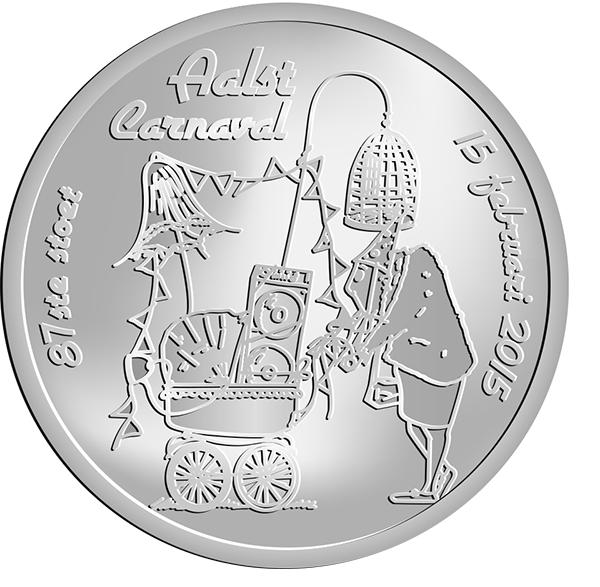
AALST – Aalst Carnaval 2015 – 87 stoet87th Sunday procession started at 13 am and ends at 21:30. The carnival groups treated the audience to a colorful spectacle. This year there were a lot celebrities present at the grandstand on the Markt: Flemish minister Ben Weyts, Deputy Prim [...]

Alpaca 12
AALST – Aalst Carnaval 2016 – 88 stoetAalst Carnival is a tradition, a unique expression of popular culture, and therefore stands Aalst carnival on the Representative List of the Intangible Cultural Heritage of Humanity

Alpaca 12
AALST – Aalst Carnaval 2014 – 86 stoetThe first historical records on Aalst date from the 9th century, when it was described as the villa Alost, a dependency of the Abbey of Lobbes.Construction of the town hall began in the middle of the 12th century, making it the oldest survivin [...]

Alpaca 12
AALST – Aalst Carnaval 2017 – 89 stoetThe most beautiful, the longest, the wettest, the safest ... There are many superlatives to describe Carnival 2017. With the mayor's traditional breakfast cookies, the city can look back on a top edition. With more than 80,000 visitors the car [...]

Alpaca 12
AALST – Aalst Carnaval 2018 – 90 stoetOp zondag 11 en maandag 12 februari 2018 paraderen maar liefst 76 ingeschreven Aalsterse carnavalgroepen door Aalst. Ze vormen een feestelijke, kleurrijke stoet, boordevol humor en Oilsjterse spirit, het resultaat van een maandenlange voorbere [...]

Alpaca 12
AALST – Aalst Carnaval 2019 – 91 stoetYordi is a 27-year-old Aalstenaar in heart and soul is a known figure in the carnival world. His design was chosen as the face of Aalst Carnaval 2019. In his poster the following message is interwoven: "Carnival is an outlet, something we all [...]

Alpaca 12
AALST – Aalst Carnaval 2020 – 92 stoetAalst Carnival or Carnaval Oilsjt is a pre-Lenten carnival that occurs in the normally quiet Belgian city of Aalst (Oilsjt) which sits between Brussels and Ghent. The city of Aalst transforms for three extravagant days each year, beginning on [...]

Nordic Gold
AALST – Aalst Carnaval 2023 – 93 stoet"Dzjing klet boom ... vedrom me the growing drum", that is the title of the poster designed by Dennis De Wolf and which will pop up everywhere in the streets in the coming weeks. The carnival procession in Aalst, together with the giants and t [...]

Nordic Gold
AALST – Aalst Carnaval 2024 – 94 stoetFebruary 11 - is known in Aalst as Aalst Carnival was started by the unveiling of the carnival poster. The poster announcing the 94th parade was unveiled in a packed foyer of the De Werf cultural center. The poster is entitled “Oilsjt Carnival [...]
brass
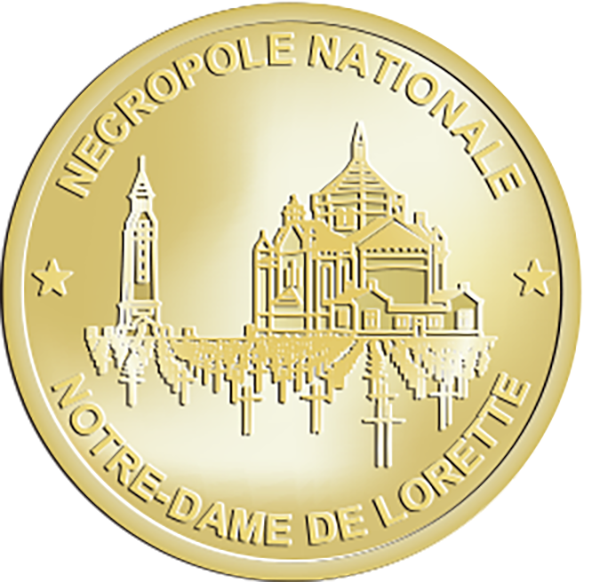
ABLAIN-ST-NAZAIRE – Nécropole Nationale Française de Notre-Dame de LoretteNotre Dame de Lorette, also known as Ablain St.-Nazaire French Military Cemetery, is the world's largest French military cemetery. It is the name of a ridge, basilica, and French national cemetery northwest of Arras at the village of Ablain-Sa [...]

Alpaca 12
ADEGEM – Canada – Poland War II MuseumOn 7september 2004 a new museum was inaugurated ' The Maple Leaf ' by the representative of His Majesty the King and many Canadian and Polish public figures, the museum includes militaria miniatures scale 1/35, and shows many battlefields of W [...]

Alpaca 12
ADEGEM – Canada War MuseumWorld War II as it was lived in Flanders, the Canada Museum takes visitors back to the heart of that time. Through many realistic scenes the visitors can experience war time. A monumental panorama represents the battle for the Leopold canal in [...]
Alpaca 12
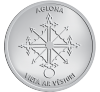
AGLONA – Aglona BasilicaAglona basilica was built in the late baroque style; it is decorated with two 60 meters high towers. Pilgrims come to Aglona every year on August 15 to celebrate the day of the Assumption of the Virgin Mary into Heaven. It is one of the most w [...]

Alpaca 12
AGLONA – The King’s Hill of ChristSculpture Park is unique because it represents the history of mankind from Adam's to our days in accordance with the Testament.Sculpture Park - The King's Hill of Christ - is being built in gratitude to God and Jesus Christ as a spiritual plac [...]
brass